Introduction
Designing a comfortable, functional bathroom in a small space is a challenge, but with the right approach it becomes an opportunity. This guide, informed by ten years of experience in small space design, covers practical ideas to maximize floor area, storage, lighting, and layout. The goal is to deliver an expert, trustworthy plan that you can adapt to any home, from apartments to compact master baths. By focusing on evidence-based choices and durable materials, you can create a space that looks larger and feels more serene while staying within budget.
Smart Layouts for Small Bathrooms
Start by choosing a layout that minimizes wasted space. Common options include a linear layout along one wall, a corner shower with a floating vanity, or a compact wet room. If plumbing is flexible, a single-wall layout can reduce bulk. For tight spaces, a pocket door to reclaim swing clearance and a wall-hung basin can create the illusion of extra room. The goal is to keep sightlines open, reduce clutter, and ensure circulation is comfortable.
Storage Solutions That Maximize Space
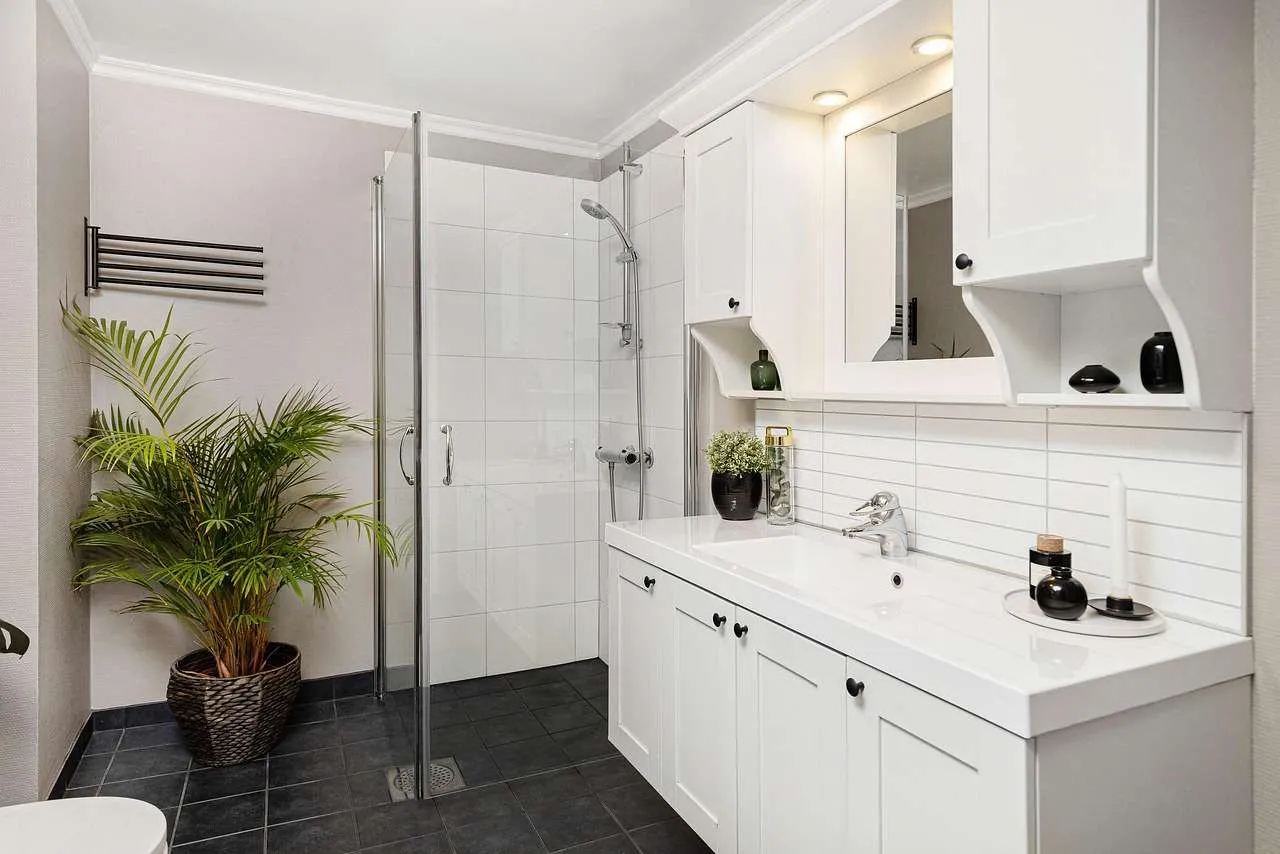
Vertical storage is your friend. Use recessed niches in the shower, tall narrow cabinets, and mirrored medicine cabinets to keep necessities handy without crowding the floor. Floating vanities create air beneath, which visually expands the room. Consider built-in shelving in the shower or above the toilet for towels and essentials. Use baskets and containers that tuck neatly under the sink or inside a vanity to avoid chaos.
Light, Color, and Surfaces
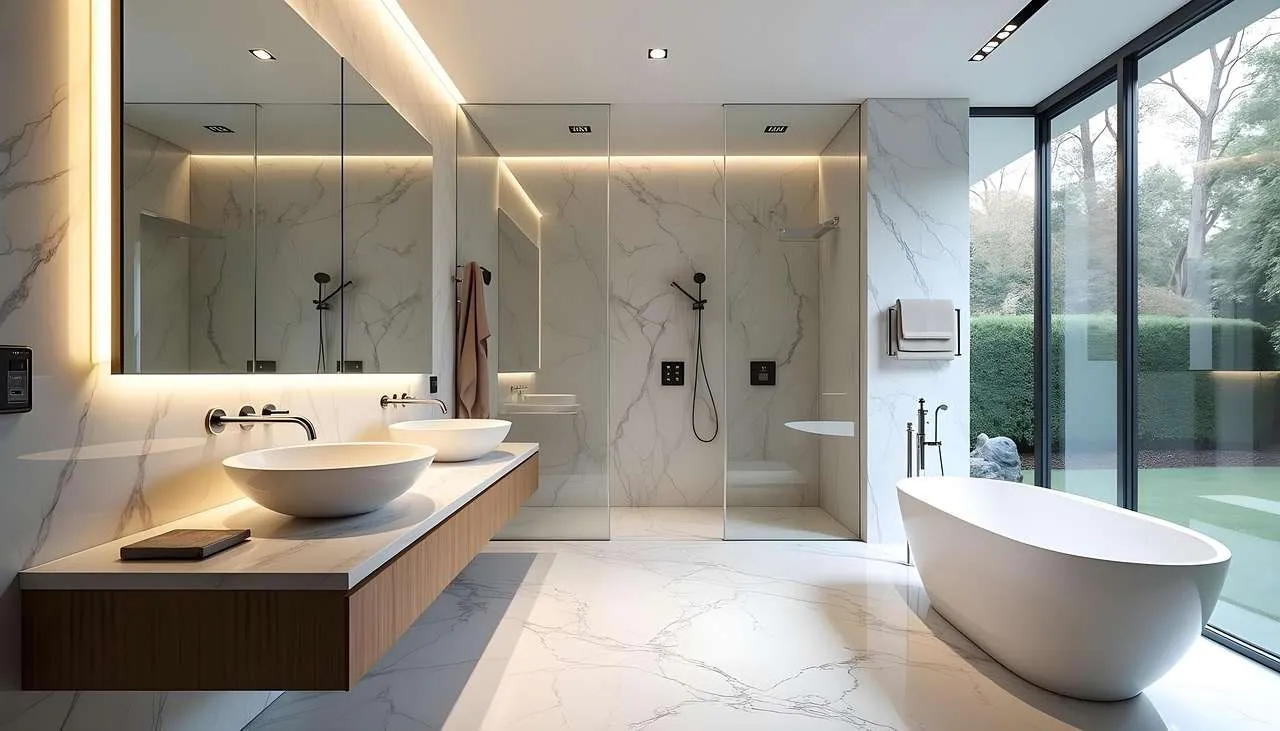
Choose light, neutral tones with reflective surfaces such as glass, polished chrome, and glossy ceramic tiles. A bright wall color combined with a large mirror can bounce light and make the space feel larger. Layer lighting with overhead fixtures and task lighting around the mirror to eliminate shadows during shaving or makeup. In small bathrooms, less is often more and subtle contrast can guide the eye toward architecture rather than clutter.
Fixtures, Fittings, and Finishes
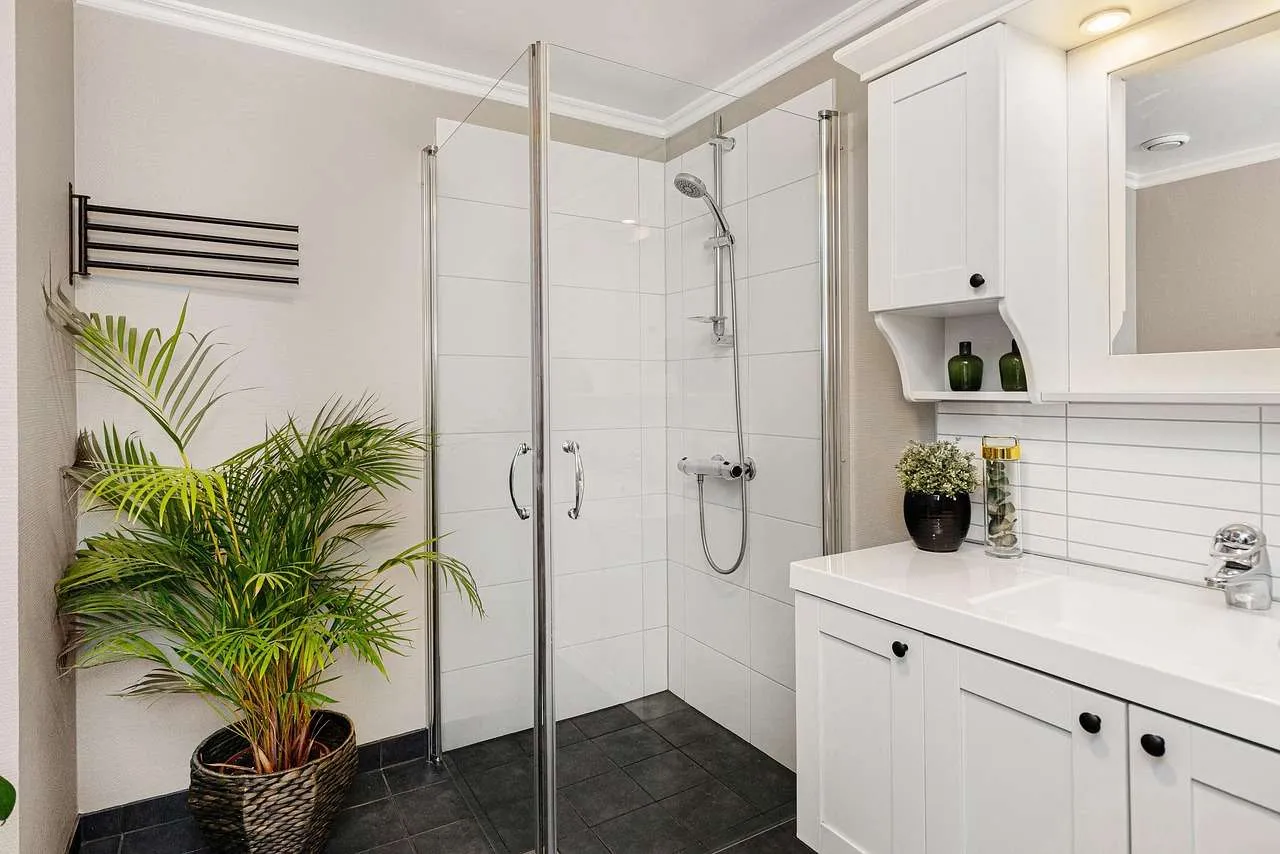
Opt for compact, wall-hung fixtures: a wall-hung toilet, a slim vanity, and a shallow countertop. A curved shower enclosure or frameless glass keeps sightlines open. If water efficiency matters, install a dual-flush toilet and low-flow faucet aerators. Durable, moisture-resistant materials such as porcelain, quartz composite, and vinyl plank stand up to humid bathrooms and are easier to maintain than carpet or wood.
Budgeting and Planning
Plan in stages if needed. Prioritize upgrades that deliver the most impact on daily use, such as a better shower, smart storage, and improved lighting. Get at least three quotes from trades, verify permits if required, and choose materials with moisture resistance and easy maintenance. By investing in space-saving plumbing and durable finishes, you can extend the life of the renovation and reduce future maintenance costs.
Comparison of Small Bathroom Ideas
| Idea | Pros | Cons | Ideal For |
|---|---|---|---|
| Vertical recessed shelves | Maximize storage without reducing floor area; keeps items within reach | Moisture sealing is essential to prevent mold | Shower niches and narrow bathrooms |
| Pocket door | No door swing; frees floor space | Higher installation cost; wall space required | Very narrow door openings |
| Wall-hung toilet and vanity | Illusion of space; easier cleaning | Higher upfront cost; needs sturdy walls | Mid to high budgets |
| Walk-in shower with glass | Feels open; accessible | May require larger footprint | Small baths with open design |
Conclusion, By combining compact layouts, clever storage, and quality materials, you can transform a small bathroom into a functional, visually appealing space. Focus on light, mirrors, and durable finishes; choose fixtures that save space; and plan a flow that minimizes clutter.